Jungian Psychotherapy
Individual work for anxiety, emotional blocks, life transitions, difficult relationships, and the search for a more coherent personal meaning.
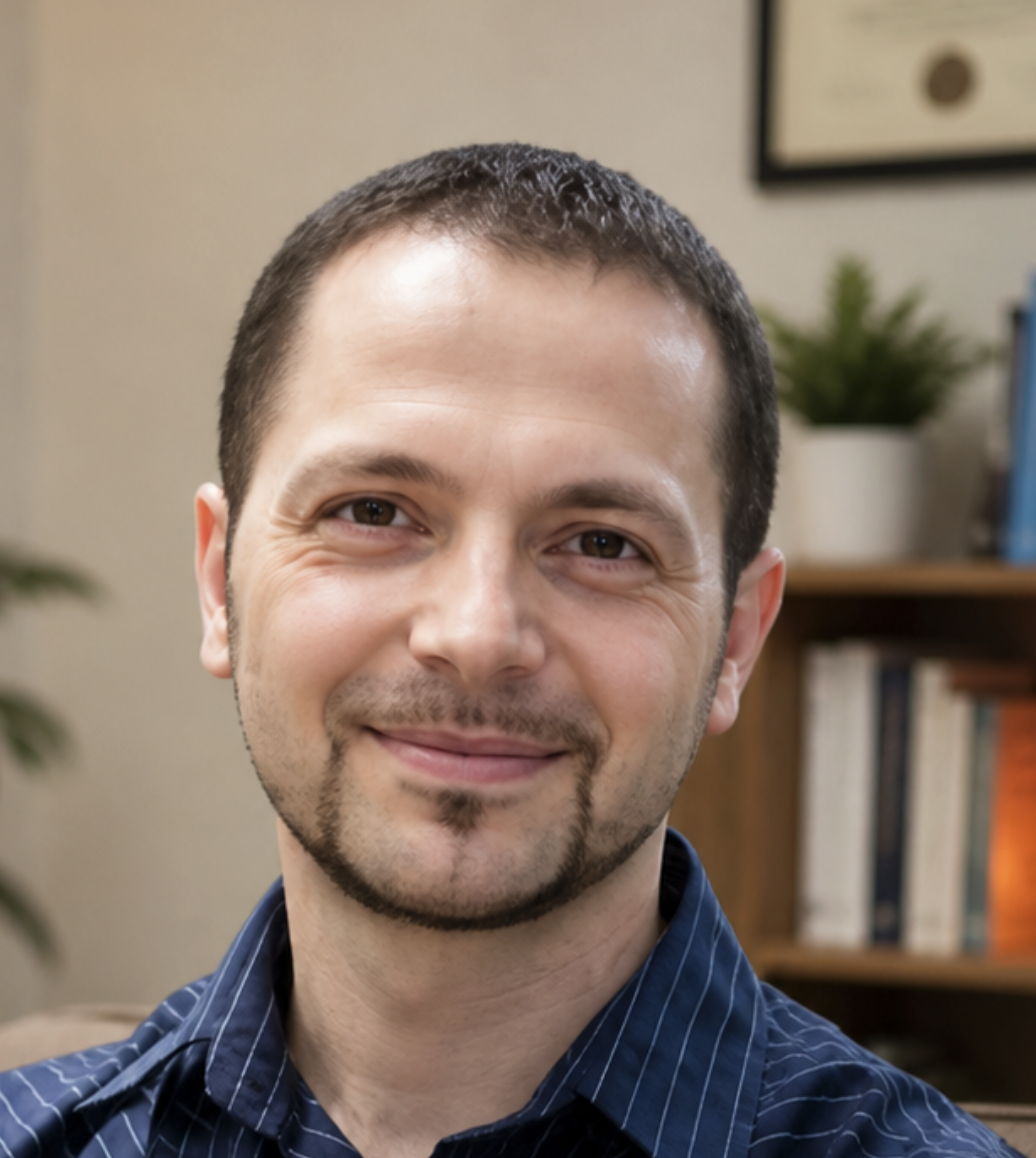 Paul Morosanu
Jungian Psychotherapy
Paul Morosanu
Jungian Psychotherapy
Analytical psychology • Bucharest
Paul Morosanu works with people seeking clarity, meaning, and a more conscious relationship with their conflicts, dreams, and choices.
In analytical psychology, emotional difficulties are not treated only as problems to remove, but also as signals of a psychic life asking for attention. Therapeutic work may include dialogue, symbolic exploration, dream analysis, and attention to relational patterns.
The rhythm is confidential, attentive, and adapted to the person. The aim is not a quick recipe, but a more stable understanding of oneself.
Individual sessions for adults, with attention to process, symbol, and personal transformation.
Individual work for anxiety, emotional blocks, life transitions, difficult relationships, and the search for a more coherent personal meaning.
Exploring dreams as living material of the psyche, with attention to symbols, emotions, recurring images, and their connection to everyday life.
Sessions oriented toward clarification, support, and the integration of life situations that need a professional frame.
Paul has experience in clinical assessment, work with children and adolescents, and support for families, including contexts related to the autism spectrum.
“Dreams, conflicts, and recurring questions can become paths toward a deeper understanding of one’s own life.”
Paul Morosanu is a psychologist trained in Jungian analysis, with a professional practice in Bucharest. His path includes master’s studies in Jungian analysis, continued training in analytical psychology, and dedicated training in the Jung-Senoi method of dream work.
His central interest is work with inner life: dreams, symbols, conflicts, choices, and processes of transformation that become visible over time within a steady therapeutic frame.
Experiential training led him toward the principle of “here and now,” central to therapeutic intervention. From this direction comes the orientation toward anchoring the client in the present and in currently available resources, through procedures that support the updating of experience and the growth of self-awareness.
Traumatic experience is recognized through the perspective of the adult and placed where it belongs, so that the person is no longer influenced without agency by “ghosts” from the past. Dysfunctional core beliefs can gradually be replaced with more adaptive reference points discovered in the therapeutic process.
Experiential therapy also brings creative procedures through which the client may discover resources for personal development and for improving present functioning.
In 2003, he began training in a method of working with dreams based on the analytical psychology of C. G. Jung and developed by American psychologist Strephon Kaplan Williams. To the perspective of depth psychology, the method adds a group-work frame inspired by the Senoi tradition.
The method is not psychotherapy in itself, but a method of personal development, oriented more toward living work with the energy of the dream than toward rigid interpretation. One of its principles is: “In exploration, go where the energy is.”
Dream exploration became an important nucleus of transformation for Paul and one of the central instruments through which he works with symbols, recurring images, and inner processes.
Paul began working with children with autism in 2004, in the first ABA team in Romania coordinated by an external consultant. He later developed his experience at the Center for Children with Autism within the Children in Difficulty Romania Foundation, where he served as coordinator for three years.
He collaborated with teams coordinated by accredited consultants and coordinated home intervention teams, the longest such collaboration lasting five years. Together with other colleagues, he contributed to the development of a psychological assessment model for children with autism.
Contact
For questions about availability, session length, or whether the approach is a good fit, you can contact him directly.